Elm Tree Removal in Allentown, PA
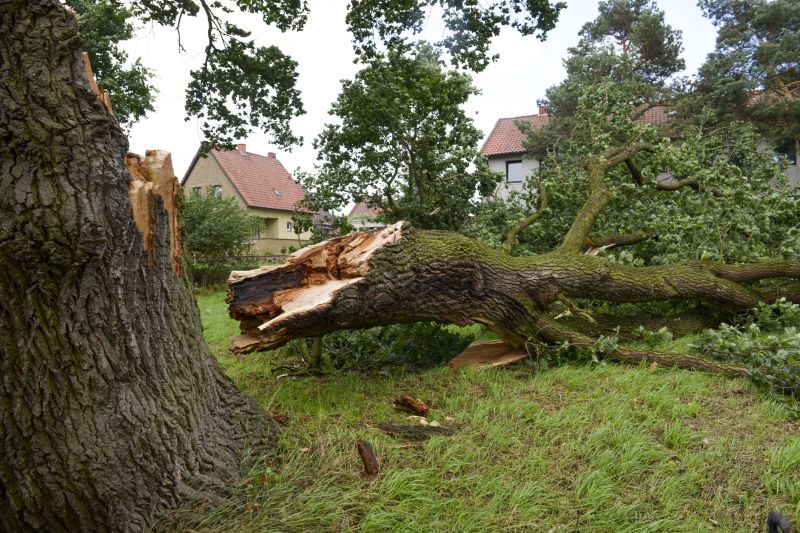
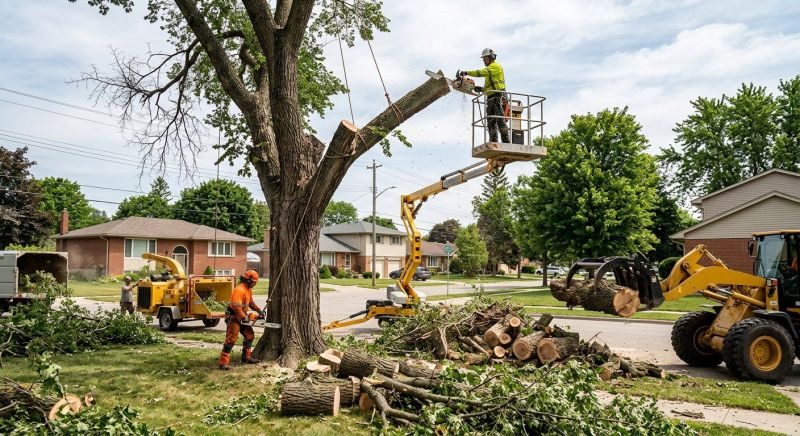
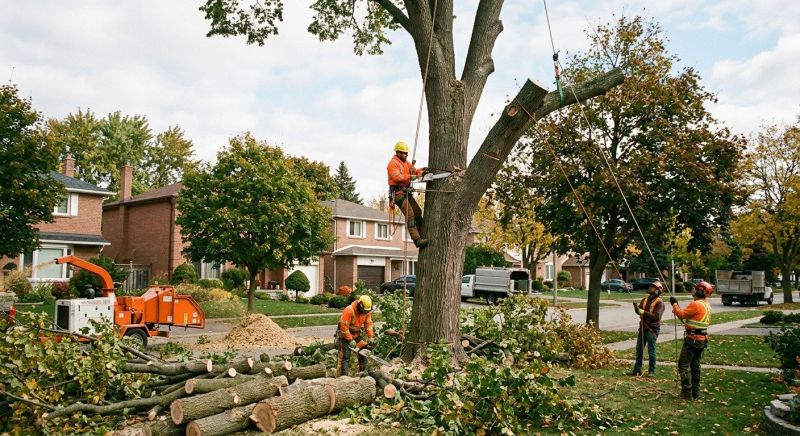
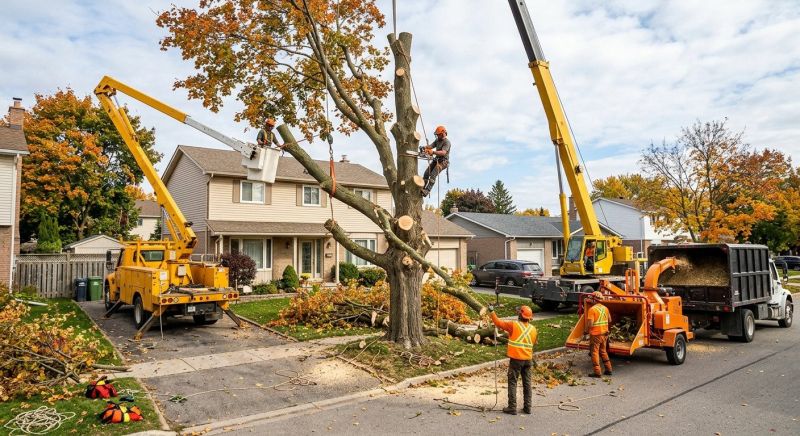
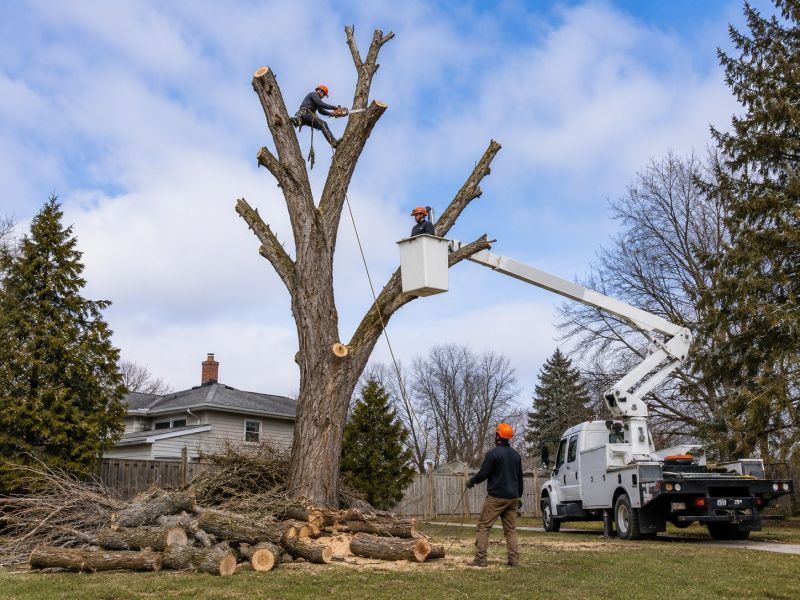
Elm tree removal services involve the careful and efficient removal of mature or damaged elm trees from residential properties. These projects typically include assessing the tree’s condition, safely cutting and dismantling the tree, and managing the disposal or recycling of the debris. Homeowners often request this service when an elm tree poses safety concerns due to disease, storm damage, or structural instability, or when planning for landscape updates that require the removal of existing trees.
Property owners considering elm tree removal should understand the importance of proper planning and safety measures, especially for large or located-in-constrained areas. It’s helpful to know the tree’s size, location, and health status, as well as any potential impacts on surrounding structures or utilities. Clarifying these details can assist in ensuring the removal process is safe, efficient, and aligns with the property’s landscape goals.
Many property owners in Allentown, PA look into Elm Tree Removal for repairs, replacements, upgrades, and appearance-related improvements.
Reasons For Elm Tree Removal
Elm trees may need removal due to disease, damage, or safety concerns on residential properties.
Benefits Of Elm Tree Removal
Removing problematic elms can improve property safety, prevent damage, and enhance landscape appearance.
Considerations Before Removal
Property owners should assess tree health, surrounding structures, and local regulations before elm removal.
Elm Tree Removal in Allentown, PA

Elm tree removal services involve the careful and efficient removal of mature or damaged elm trees from residential properties. These projects typically include assessing the tree’s condition, safely cutting and dismantling the tree, and managing the disposal or recycling of the debris. Homeowners often request this service when an elm tree poses safety concerns due to disease, storm damage, or structural instability, or when planning for landscape updates that require the removal of existing trees.
Property owners considering elm tree removal should understand the importance of proper planning and safety measures, especially for large or located-in-constrained areas. It’s helpful to know the tree’s size, location, and health status, as well as any potential impacts on surrounding structures or utilities. Clarifying these details can assist in ensuring the removal process is safe, efficient, and aligns with the property’s landscape goals.
Many property owners in Allentown, PA look into Elm Tree Removal for repairs, replacements, upgrades, and appearance-related improvements.
Common Elm Tree Removal Jobs
Elm Tree Removal - safely removes hazardous or unwanted elm trees from residential properties.
Emergency Elm Tree Removal - provides urgent services for storm-damaged or fallen elm trees.
Selective Elm Tree Removal - targets specific trees to improve landscape health and safety.
Complete Elm Tree Removal - clears entire elm trees when they are diseased or no longer needed.
Stump Removal and Grinding - eliminates remaining stumps after elm trees are cut down.
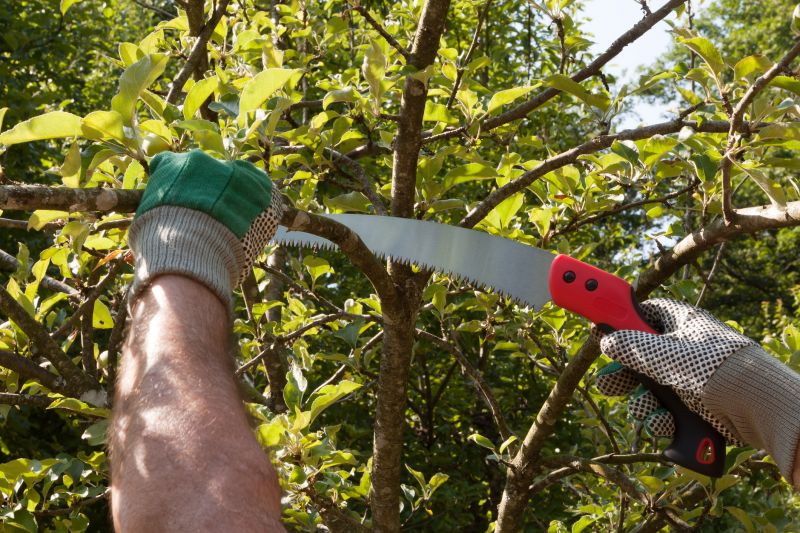
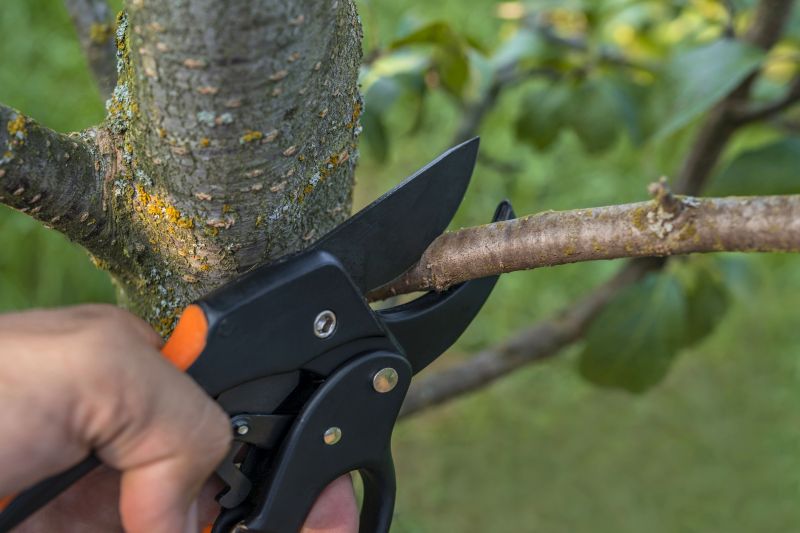
Elm Tree Pruning and Trimming - maintains tree health and prevents potential hazards before removal.
Elm Tree Removal Questions
When should a tree be removed? Tree removal is recommended if the tree is dead, diseased, or poses a safety risk due to damage or instability.
What signs indicate a tree needs removal? Signs include large dead branches, leaning trunk, root damage, or significant decay in the trunk or roots.
Are there any regulations for Elm Tree removal? Local regulations may require permits or inspections for Elm Tree removal, especially if the tree is protected or in a designated area.
What is involved in the Elm Tree removal process? The process typically includes assessing the tree, preparing the site, safely cutting and removing the tree, and cleaning up debris.
Request Elm Tree Removal in Allentown, PA
Use the quote form on this page to share the basics of your project and request more information for the type of work you need.